



save the children
UNICEF is sounding the alarm as humanitarian needs for children around the world reach unprecedented levels.
The United Nations agency has launched an urgent appeal for $7.66 billion to provide life-saving assistance to 73 million children in 133 countries next year.
Escalating conflicts, rising hunger, and deep funding cuts are driving the crisis.
According to UNICEF’s Humanitarian Action for Children 2026 report, millions of children, especially girls, children with disabilities, and those caught in emergencies, are facing the highest recorded levels of violence, displacement, and deprivation.
Ongoing attacks on schools and hospitals, along with an alarming rise in sexual violence, are putting lives at risk.
UNICEF’s Executive Director, Catherine Russell, warns that the worsening funding situation is severely limiting the agency’s ability to reach children in dire need.
Severe shortfalls have forced UNICEF to reduce nutrition programs in 20 priority countries and cut educational support, leaving millions of children at risk of malnutrition and missing out on learning opportunities.
Russell stated: “Across our operations, frontline teams are being forced into impossible decisions, focusing limited supplies and services on children in some places over others, decreasing the frequency of services, or scaling back interventions that children depend on to survive.”
UNICEF stresses that more than 200 million children will need humanitarian assistance in 2026. Many of these children are living in protracted crises, at risk of under-nutrition, disease, and loss of education and safety.
Despite these unprecedented challenges, UNICEF continues to adapt, prioritizing life-saving interventions, strengthening partnerships, and investing in preparedness and resilience. The agency is calling on governments, donors, and private sector partners to increase investment, support locally led responses, and uphold humanitarian principles, so that no child is left behind.





02:32
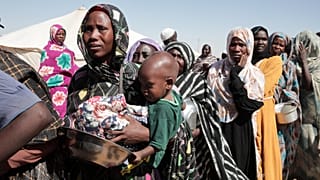
UNICEF warns of alarming rise in sexual violence against children in Eastern DRC
Go to video
Sexual violence against children 'endemic, systemic and worsening' in DRC, says UNICEF
01:10
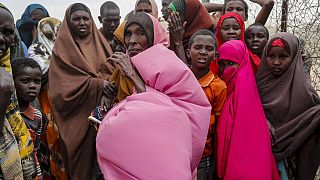
An estimated five million children displaced by Sudan's civil war
01:12
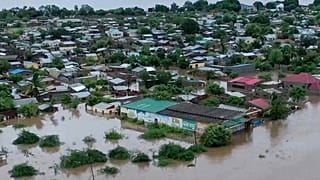
Mozambique: surge in violence displaces more than 100,000 people
01:36
UNICEF: More than 400 million children globally live in poverty
01:09
United Nations urges immediate release of abducted Nigerian schoolgirls